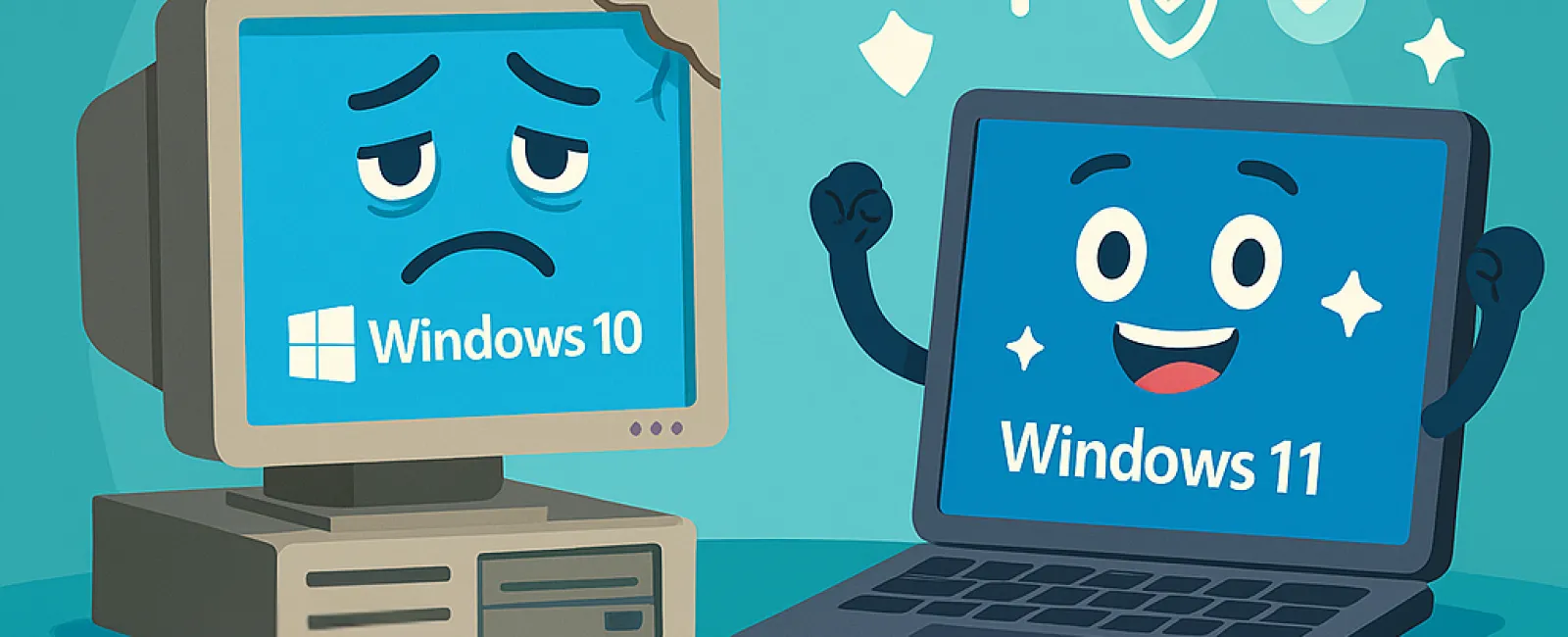
While it might seem budget-friendly to cling to outdated technology, the hidden costs often outweigh the savings. Using old hardware and obsolete software can significantly drain your business's productivity, increase expenses, and expose you to cybersecurity risks.
The True Price of Outdated Technology
Outmoded systems slow down operations, causing workflow bottlenecks that reduce your team's efficiency. Moreover, aging technology is prone to unexpected failures, resulting in costly downtimes that can derail your project timelines.
Security is another major concern. As software and hardware age without updates, they become prime targets for cyberattacks due to unpatched vulnerabilities. Hackers exploit these security gaps, jeopardizing your sensitive business data. Keeping your systems current is essential not only to protect your information but also to comply with industry regulations and audit standards.
When Should You Replace Your Technology?
Look out for these clear signs indicating it's time for an upgrade:
1. Operating Systems Running Windows 10 or Older
Microsoft will cease support for Windows 10 in October 2025, meaning no further security patches will be issued. Continuing to operate on Windows 10 past this date poses serious cybersecurity and compliance threats. Proactively planning your move to Windows 11 protects your business and keeps it future-ready.
2. Repeated IT Support Requests for the Same Issues
Persistent glitches, crashes, and sluggish performance aren't just frustrating—they signal failing infrastructure. These inefficiencies cumulatively hamper productivity and inflate maintenance costs.
3. Incompatibility with New Software Tools
If your legacy software doesn't seamlessly integrate with modern mobile applications or cloud services, it limits your ability to innovate and scale. This technological mismatch can hinder client service and strategic growth.
4. Devices Dragging Down Team Efficiency
Slow boot times, frequent freezes, and crashes during critical video calls directly affect operational flow. Since time equals money, outdated devices (typically those older than three to five years) should be evaluated for performance and energy efficiency to avoid productivity losses and excessive energy costs.
5. Reliance on Outdated Security Software
Using firewalls and antivirus programs that haven't been updated puts your data at unnecessary risk. Cyber threats evolve rapidly, so your security defenses must keep pace. Neglected systems often serve as weak entry points for ransomware and other malicious attacks.
While upgrading might seem costly upfront, maintaining outdated technology results in hidden expenses through lost productivity, security vulnerabilities, and frequent fixes. Fortunately, there are cost-effective, strategic options available to modernize your IT infrastructure without straining your budget.
You're Not Alone in This Transition
If you want expert guidance through your technology upgrade journey and timely alerts for when your systems become obsolete, connect with our experienced team. Schedule your FREE 15-Minute Discovery Call today! In this brief consultation, we'll outline a customized plan to secure your business, improve efficiency, and optimize costs. Reach us at 1-303-423-4500 or click here to book your appointment.