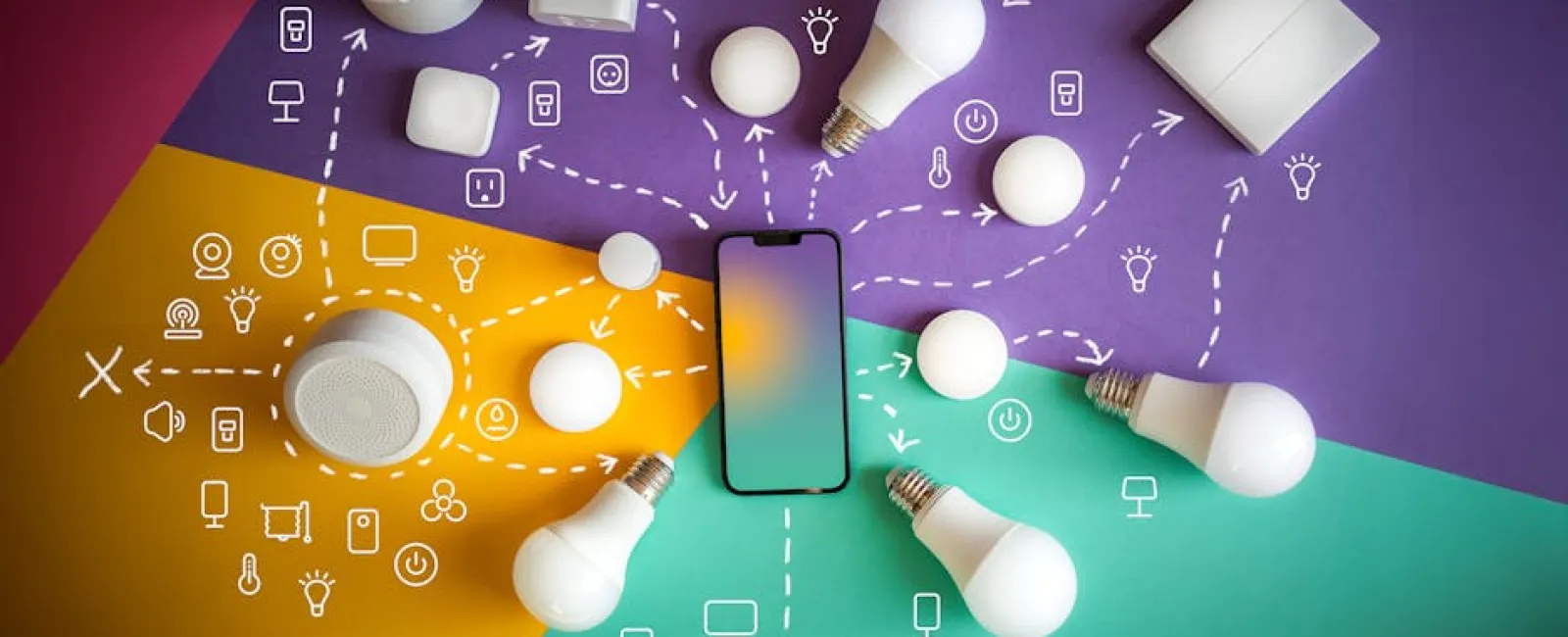
As higher education institutions strive to evolve in an increasingly digital world, the integration of Internet of Things (IoT) technology stands out as a transformative opportunity. By adopting IoT in higher education, universities can significantly improve operational efficiency, enhance the student experience, and maintain a competitive edge. This article explores the manifold benefits of IoT solutions for colleges and universities, underscoring key areas such as smart campus technology, campus automation systems, and IoT data analytics.
Revolutionizing Campus Management with IoT
1. Energy Management and Sustainability
One of the most practical applications of IoT in higher education is energy management. IoT-enabled devices and sensors can optimize energy consumption across campus facilities by adjusting lighting, heating, and cooling systems based on real-time data. Universities can achieve substantial cost savings and reduce their carbon footprint, supporting their sustainability goals.
- Smart campus sensors deliver precise usage data.
- Predictive maintenance IoT technologies prevent costly equipment failures.
- IoT network solutions for higher education enhance energy efficiency initiatives.
2. Enhanced Campus Security
Campus security is a paramount concern for university administrators. Through IoT solutions, including connected campus devices and real-time monitoring campus technology, institutions can offer robust security infrastructures. IoT technologies enhance surveillance systems, monitor access controls, and ensure the timely response to incidents.
- Campus security IoT solutions integrate with existing systems for heightened vigilance.
- Real-time notifications and alerts improve risk management.
- Predictive analytics offer foresight into potential security issues.
3. Effective Asset Tracking
Universities are home to valuable assets such as lab equipment, art collections, and IT resources. Implementing asset tracking IoT education solutions enables universities to maintain a comprehensive view of their assets' locations and conditions. This reduces losses and enhances inventory management, offering a significant return on investment.
- IoT infrastructure for universities provides seamless inventory control.
- Sensors offer alerts on unauthorized movement of assets.
- Automated systems reduce human error in inventory management.
Enriching the Student Experience
1. Smart Classrooms and IoT-Enabled Learning
The transition to a smart campus involves creating IoT-enabled learning environments. Smart classrooms IoT technologies offer dynamic and interactive learning experiences, furthering digital transformation in higher education. These systems facilitate adaptive learning environments, catering to diverse student needs.
- IoT student experience is more immersive, with personalized content delivery.
- Smart devices enable collaborative learning and real-time feedback.
- IoT data analytics education tools assess learning outcomes more effectively.
2. Enhanced Student Services
IoT in higher education enhances student services by offering improved communication and personalized experiences. From streamlined registration processes to efficient facility management, IoT technologies support a superior campus experience.
- Connected campus devices facilitate efficient communication channels.
- Campus automation systems handle routine administrative tasks.
- IoT solutions offer personalized services based on student data.
Supporting Institutional Growth and Innovation
1. Accelerating Digital Transformation
The incorporation of IoT in universities drives higher education digital transformation. By leveraging comprehensive IoT solutions, institutions enhance their technological infrastructure, supporting innovative teaching methods and operational processes.
- IoT infrastructure for universities boosts digital capabilities.
- Data-driven decisions foster institutional growth and development.
- IoT solutions support the shift to digital-first strategies.
2. Future-Proofing with Predictive Maintenance
By embracing predictive maintenance, IoT-empowered universities can proactively address potential issues within campus facilities. By predicting failures before they occur, institutions can avoid costly disruptions and improve the longevity of their infrastructure.
- Predictive maintenance minimizes downtime and repair costs.
- IoT-connected devices provide early warning signs of wear and tear.
- Long-term planning aids in resource allocation and budgeting.
Implementing IoT Solutions
To fully capitalize on the benefits of IoT in higher education, universities need a strategic approach to implementation. This involves comprehensive planning, investment in appropriate technologies, and collaboration with industry experts.
1. Assessing Needs and Objectives
Understanding the specific needs and objectives of the institution is crucial before implementing IoT solutions. Considerations should include budget constraints, desired outcomes, and potential impacts on stakeholders.
- Detailed analyses identify areas primed for IoT integration.
- Stakeholder engagement ensures alignment with institutional goals.
- Cost-benefit evaluations aid in prioritizing initiatives.
2. Building Robust IoT Infrastructure
A robust IoT infrastructure is foundational for successful implementation. Universities must ensure their network can handle increased data traffic and that cybersecurity measures are in place to protect sensitive information. Because thousands of new smart sensors exponentially expand the campus attack surface through endpoint proliferation, it is essential to partner with a cybersecurity-first IT provider to ensure these connected devices do not become vulnerable backdoors for network breaches or severe compliance violations.
- Strong IoT network solutions for higher education support connectivity.
- Cybersecurity protocols safeguard data integrity.
- Scalability considerations ensure future growth is supported.
3. Partnering with Technology Experts
Collaboration with technology experts can streamline the adoption process of IoT solutions for colleges. Experts provide insights and solutions tailored to the unique context and challenges of higher education institutions.
- Expert consultation guides selection of appropriate technologies.
- Strategic partnerships foster innovation and knowledge sharing.
- External support aids in training and change management.
The adoption of IoT technology in higher education represents a significant strategic advantage. By leveraging smart campus technology, universities can revolutionize their operational processes, enhance security, and create enriching educational environments. As institutions strive towards becoming future-ready, the integration of IoT solutions stands as a testament to their commitment to innovation and excellence in education. Schedule a free 15-Minute Discovery Call with NewPush today to discuss how to integrate the Internet of Things with your institution safely and proactively.