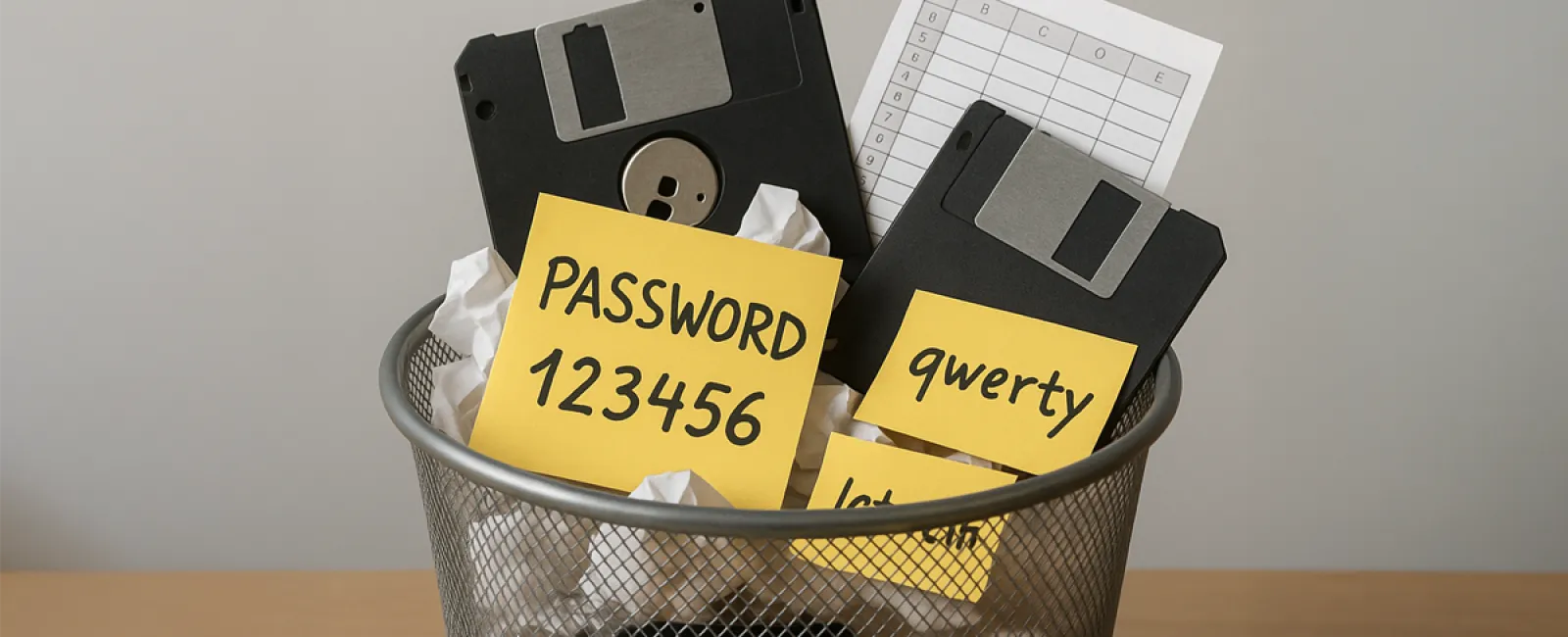
Just like millions of people take on "Dry January" to reset their personal habits, higher education institutions can benefit from a digital detox. Instead of giving up alcohol, this month is the perfect time to break tech habits that put research, student data, and institutional reputation at risk.
Here are six digital habits higher ed staff should quit cold turkey and why acting now pays off.
Habit #1: Hitting "Remind Me Later" on Updates
Those seemingly harmless update prompts are actually critical for security. Updates patch vulnerabilities hackers actively exploit.
- The Risk: The 2017 WannaCry ransomware attack exploited a Microsoft vulnerability that had been patched two months prior—but many users clicked "later." The result? Global disruption.
- The Solution: Automate updates through a central management system. Machines stay secure without relying on faculty to manually restart their devices.
Habit #2: Using the Same Password Everywhere
Reusing a single, memorable password across email, banking, and academic sites is tempting but dangerous.
- The Risk: A breach on one platform can unlock access to institutional accounts. Credential stuffing is a leading cause of campus security incidents.
- The Solution: Enterprise password managers (like 1Password or Bitwarden) generate unique passwords for each account. You remember one master password; the manager handles the rest.
Habit #3: Sharing Sensitive Credentials via Email or Chat
Quickly sending a password in Slack or email feels convenient—but it creates a permanent, searchable record.
- The Risk: If the account is compromised, attackers can harvest years of credentials in minutes.
- The Solution: Use secure sharing within a password manager. Recipients gain access without ever seeing the actual password, and permissions can be revoked immediately.
Habit #4: Granting Admin Rights to Everyone
Giving all staff admin access "because it's easier" is a recipe for disaster.
- The Risk: Admin privileges amplify ransomware damage. One click on a malicious link can disable security tools and encrypt an entire system.
- The Solution: Apply the Principle of Least Privilege. Staff get only the access they need, limiting potential damage from mistakes or attacks.
Habit #5: Keeping "Temporary" Tech Workarounds
Emergency fixes from the shift to remote learning in 2020 often became permanent without anyone realizing.
- The Risk: These workarounds create "Fragile IT." They rely on specific people remembering tricks. When staff leave or software updates, workflows break.
- The Solution: Audit and formalize processes. Eliminating tribal knowledge prevents breakdowns and saves hundreds of hours of lost productivity.
Habit #6: Running the Department from One Spreadsheet
Spreadsheets are powerful tools but not a foundation for critical operations.
- The Risk: Single-user spreadsheets lack audit trails, backups, and security. One accidental deletion can cause serious problems.
- The Solution: Move critical data to a CRM or database designed for collaboration, security, and regulatory compliance.
Why Breaking These Habits Is Hard
Academia isn't uninformed, it's overwhelmed. Bad tech habits persist because the "easy way" feels faster, and "everyone else is doing it too."
A successful digital detox, like Dry January, requires more than willpower, it requires changing the environment. Partnering with IT security experts can make secure practices the easiest choice, turning digital hygiene into an effortless routine.
Thus, give us a call at (303) 423-4500 or book your FREE Security Huddle instantly here: https://education.newpush.com/